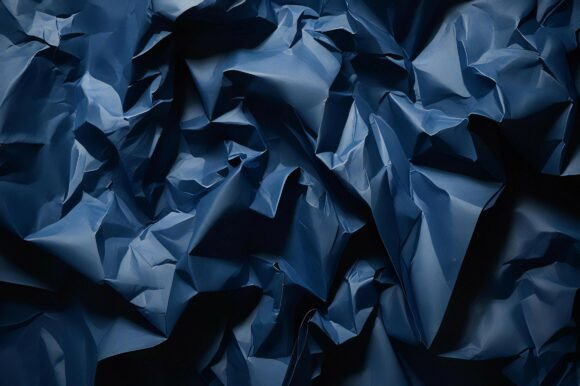
A Close Up of a Fabric: A Versatile Design Resource
When it comes to enhancing creative projects, the details often make all the difference. A close-up of a fabric offers a unique visual element that can elevate a wide range of design work. This high-quality background image provides a rich texture and depth that can add interest and sophistication to digital art, web design, printable materials, sublimation projects, social media graphics, presentations, and more.
For designers and creators, the value of a close-up of a fabric lies in its versatility. Whether you're working on a professional project or a personal endeavor, this image can serve as a powerful foundation. Its detailed composition allows for seamless integration into various design formats, making it an essential tool for those who require high-quality visuals without the need for complex editing.
Why Consider a Close Up of a Fabric?
There are several reasons why someone might be interested in a close-up of a fabric. First, it offers a natural and organic aesthetic that can complement modern or traditional designs. The intricate patterns and textures found in fabric can add a sense of warmth and authenticity to any project. This makes it particularly useful for designers looking to create visually engaging content that stands out from the crowd.
Additionally, the high-resolution nature of this image ensures that it remains sharp and clear, even when used at larger sizes. With a resolution of 4736 x 2688 pixels, it is suitable for both print and web use. This means that whether you're designing a poster, a business card, or a digital product, the quality will remain consistent across different mediums.
Benefits and Considerations
One of the primary benefits of a close-up of a fabric is its ease of use. As a downloadable JPG file, it is compatible with most major design software, including Photoshop, Illustrator, Canva, and Procreate. This compatibility ensures that users can incorporate the image into their workflow without encountering technical barriers.
Another advantage is the instant digital download. Unlike physical products, which may require shipping and handling, this image is available immediately after purchase. This convenience is especially valuable for professionals who need to meet tight deadlines or for hobbyists who want to start a project right away.
However, there are some considerations to keep in mind. While the close-up of a fabric is highly versatile, it may not be the best choice for every project. For instance, if the goal is to create a minimalist or abstract design, the intricate details of the fabric could be distracting. In such cases, a simpler background might be more appropriate.
Moreover, the specific style of the fabric may influence its suitability for certain projects. Some designs may benefit from a more subtle texture, while others may require a bold and eye-catching pattern. It's important to evaluate the overall vision of the project before deciding to use this image.
Situations Where It Shines
A close-up of a fabric is particularly well-suited for projects that require a tactile or organic feel. Graphic designers working on branding materials, such as logos, packaging, or promotional items, may find that the texture adds a layer of depth and professionalism. Similarly, artists creating digital illustrations or paintings can use this image as a backdrop to enhance the mood and atmosphere of their work.
In the realm of social media, this image can be used to create visually appealing graphics that capture attention. Whether it's for a post, a story, or a profile picture, the rich detail of the fabric can help differentiate content from the competition. For businesses, this can translate into increased engagement and brand recognition.
For those involved in product mockups, a close-up of a fabric can serve as an effective background that complements the item being showcased. It can help create a more realistic and immersive presentation, making the product stand out in a crowded market.
Alternatives to Consider
While a close-up of a fabric is a valuable resource, there may be situations where alternative options are more appropriate. For example, if the desired aesthetic is more modern or digital, a geometric pattern or a solid color might be a better fit. These alternatives can provide a clean and contemporary look that aligns with current design trends.
Additionally, for projects that require a high level of customization, a vector-based image or a transparent PNG might be more suitable. These formats allow for greater flexibility in terms of color, size, and placement, making them ideal for complex design tasks.
It's also worth considering the licensing and usage rights associated with any image. While a close-up of a fabric may be freely used for personal or commercial purposes, it's always wise to review the terms of use to ensure compliance with copyright laws and ethical guidelines.
Making the Right Choice
Determining whether a close-up of a fabric is the right choice depends on the specific goals and needs of the project. If the objective is to add texture, depth, and visual interest to a design, then this image can be an excellent option. However, if the focus is on simplicity, clarity, or a specific style, other alternatives may be more appropriate.
By evaluating the requirements of the project and understanding the strengths and limitations of the image, designers and creators can make informed decisions that align with their creative vision. Ultimately, the key is to choose a resource that enhances the overall impact of the work while meeting practical and aesthetic needs.